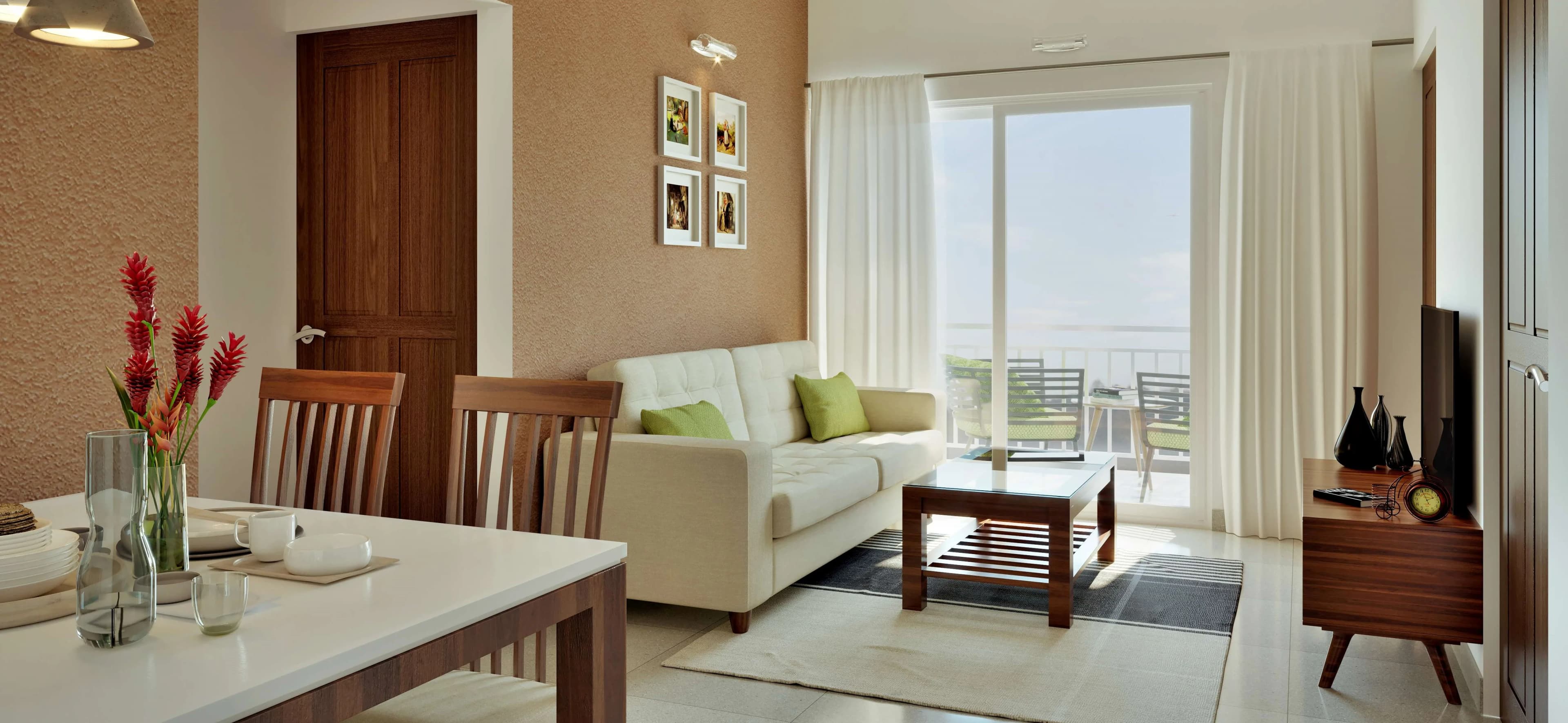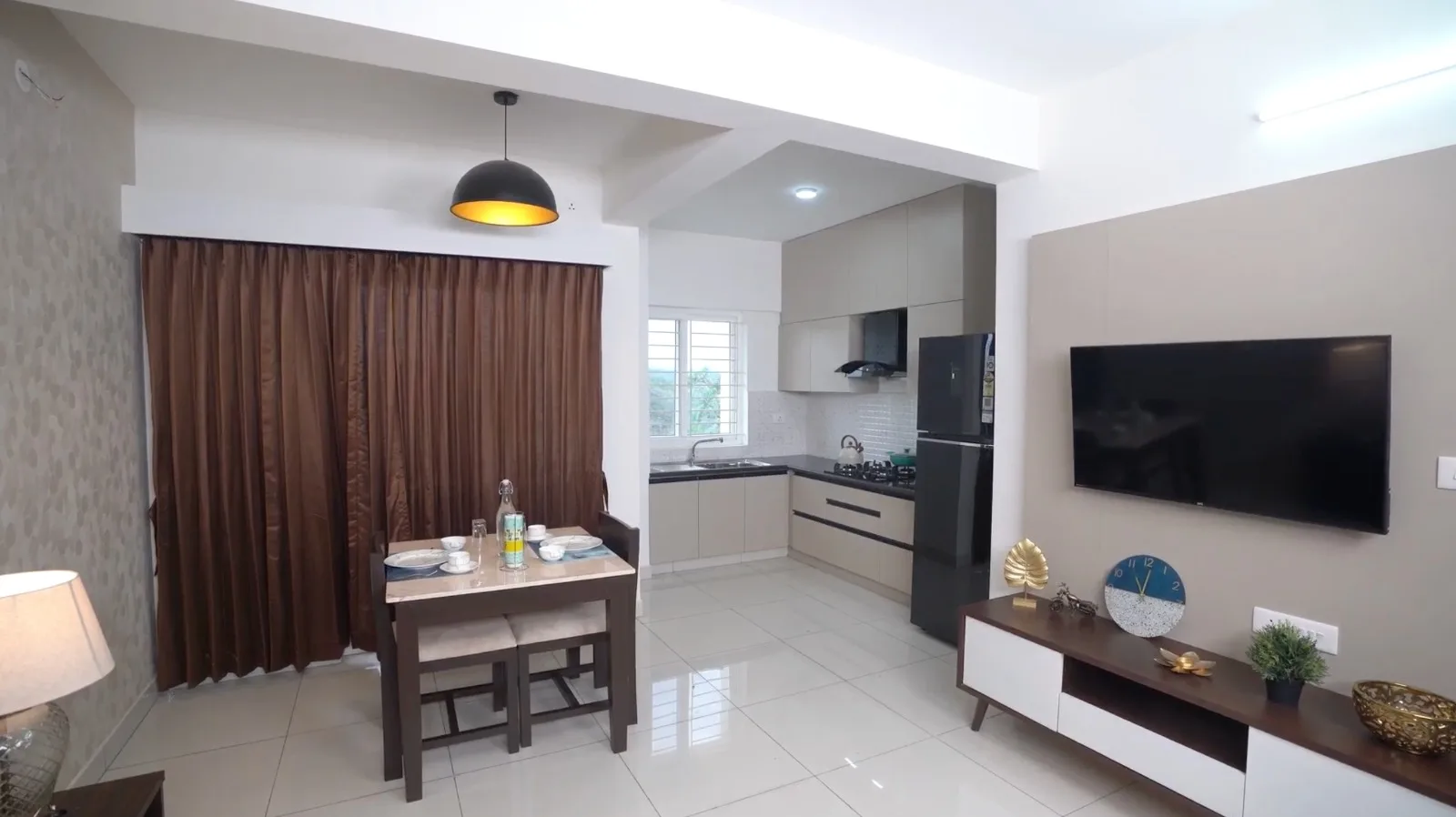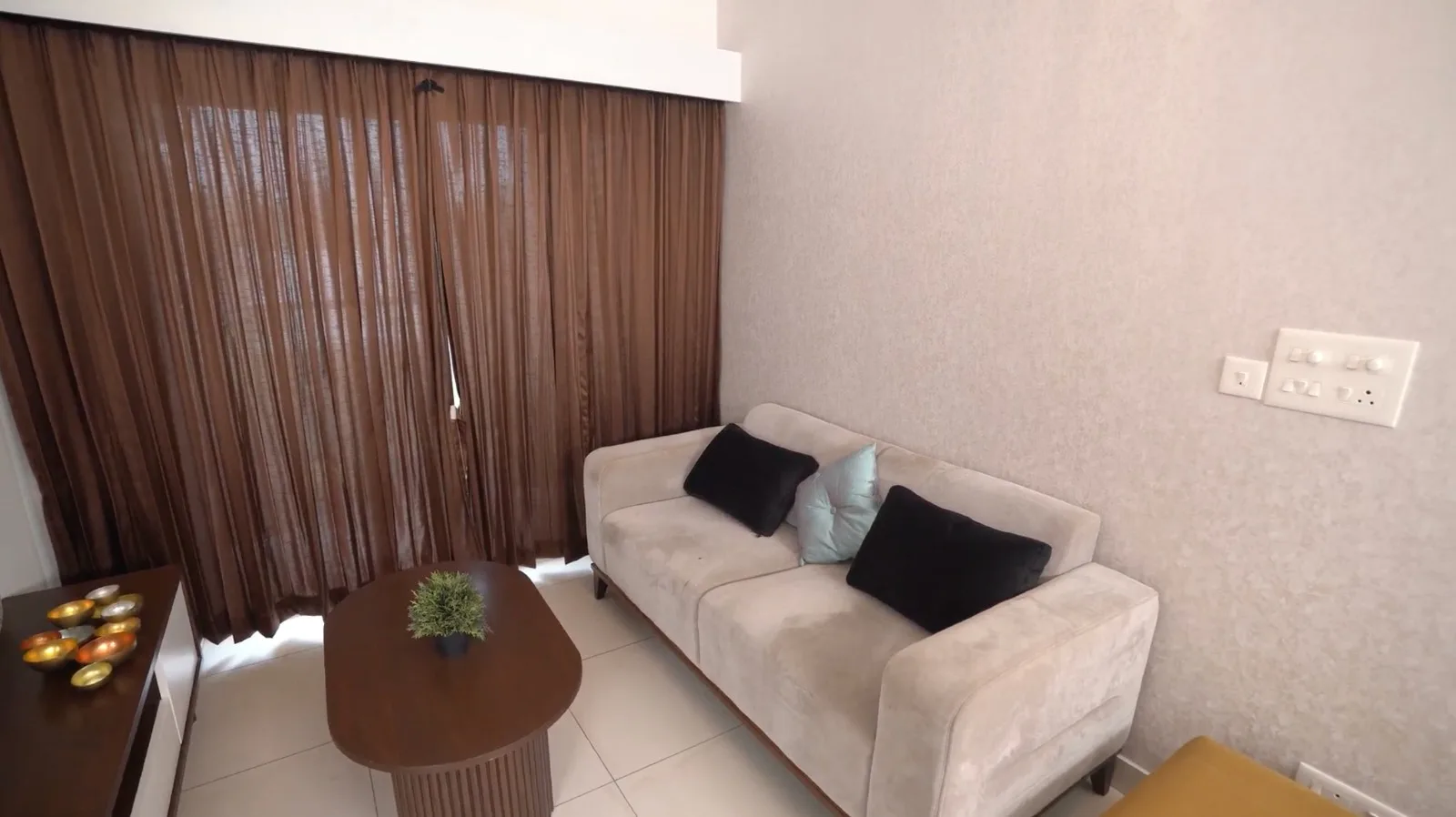
Cadabam's WeNest offers tastefully designed, safe, inclusive, and serene stays for the elderly.
Nestled amidst the greenery of Kaggalipura, Kanakapura Road, Cadabam's WeNest is the perfect space for the elderly to get away from the city's hectic life. With lush green surroundings, clean air, and luxurious senior living at WeNest is fulfilling.
Unique Living Options at WeNest
Cadabam's WeNest offers a diverse range of senior living options to meet the unique needs of the elderly.

Senior Citizen Studio Apartments in Bangalore for Independent Senior Living

1 BHK Senior Living Retirement Homes in Bangalore

2 BHK Retirement Homes for Seniors in Bangalore
Our Residential Units
Studio Apartment
48
Compact and elegant spaces designed for independent senior living.
1 BHK Residences
72
Spacious apartments offering privacy with access to vibrant community life.
2 BHK Residences
22
Premium residences ideal for couples seeking comfort and luxury.
Total Residences
142
A thoughtfully designed senior living community in Bengaluru.
Amenities for Senior Living
Cadabam’s WeNest is dedicated to providing an exceptional senior living experience with a wide array of luxurious amenities aimed at enhancing your daily life.
Safety Protocols
WeNest places a special focus on the safety of the elderly and helping them live independently. Some key safety protocols we follow include 24/7 Surveillance, Emergency Response Systems, Health Monitoring and Safe Mobility Features.
Inclusive Design
WeNest luxury senior living home is designed keeping in mind all the various difficulties the elderly face.
Onsite Medical Facilities
Advanced medical facilities at WeNest ensure everyone's safety.
Luxury Amenities
Cadabam’s WeNest offers luxury senior citizen apartments in Bangalore, equipped with all the amenities that define high-end living.
Investing in a house is a big decision. Here’s how you can get your dream home with us.
Buying or purchasing
You can purchase a home at Cadabam's WeNest in one go and spend the rest of your days enjoying life here.
Short-term lease
A short-term lease helps you find a place that is just for you while also keeping your financial situation in mind.
Long-term lease
A long-term lease helps families and individuals settle into their house while giving them peace of mind over a longer period. Renting Assured buyback
Renting
Renting a house is perfect for those who feel that a long-term commitment is not for them. Assured buyback
Assured buyback
At Cadabam's WeNest, we also offer assured buyback services to ensure that you have all you need as you settle down here.
Pricing & Floor Plans
We also offer customization options including 1.5 BHK and 2.5 BHK configurations to suit individual lifestyle needs.

Studio Apartment
- Built-up Area Range: 550sqft
- Carpet Area Range: 350 sqft
Starting Price: ₹75,00,000

1 BHK
- Built-up Area Range: 854 sqft
- Carpet Area Range: 500 sqft
Starting Price: ₹94,00,000

2 BHK
- Built-up Area Range: 1104 sqft
- Carpet Area Range: 638 sqft
Starting Price: ₹1,40,00,000
At Cadabam's WeNest, you get to live a wholesome and complete life as you age healthily.
In the blink of an eye, entire decades pass, and those who were once young are now retiring and looking forward to a life of peace and joy. Hence, our infrastructure focuses on healthy aging and lifestyle. Learn more about our graceful aging programs here.
-edit.jpg)
Services
As we age, everyone needs a bit of help. Recognizing this, we offer a comprehensive range of services specifically designed to assist the elderly in our luxury retirement homes in Bangalore.
Assisted Living
Assisted senior living services at WeNest help the elderly live joyfully.
Concierge Services
Dedicated concierge services to assist the elderly with any issues that may crop up.
Caretaker Services
Caretaker services for the elderly to ensure that they are equipped to care for themselves.
Supported Living
Supported living helps the elderly avail the assistance they need while retaining functionality and independence.
Nursing Care
Sometimes, when the elderly may be ill or face injuries, our nursing services ensure that they are cared for.
Preventive Care
Care services that protect your loved ones from the different issues that the elderly may face.
Memory Care
Our memory care services help in healthy aging, resulting in a healthier life for your loved ones.
Managed Community
The community at Cadabam's WeNest aids in improving the quality of life of the people living here.
Healthy Food
Healthy food assists in healthy ageing. With a focus on nutrition and a balanced diet, Cadabam’s WeNest offers curated food services.
What Residents Say
Read our latest blogs
How to Reduce Utility Bills in Retirement: Tips for Seniors
Managing expenses becomes a critical part of financial planning in retirement, and utility bills often take up a bigger portion of monthly budgets. For many older adults, keeping track of schemes, rebates, and “senior citizen bill status” can significantly reduce costs. Understanding how these systems work can help seniors maintain comfort without overspending.
Why Utility Bills Can Become a Burden in Retirement
Utility bills may not seem overwhelming during working years, but in retirement, they can weigh heavily on fixed incomes. Seniors often face unique challenges that make energy and service expenses harder to manage.
- Reduced income: With limited pensions or savings, seniors often have less disposable income to cover rising household costs.
- More time at home: Retirees typically spend more hours indoors, which naturally increases electricity, gas, and water consumption.
- Inflation and tariff hikes: Rising prices of power, fuel, and water disproportionately affect those without active earnings.
What Is Senior Citizen Bill Status & Why Does It Matter?
Senior citizen bill status is a designation that allows elderly individuals to access rebates and concessions on utility bills. It is offered by government bodies and service providers to ease financial stress during retirement.
This status can apply to several services such as electricity, gas, and water supply, depending on the region. Eligibility usually requires proof of age and residency, and in many cases, benefits are credited directly to bills. The value is real and tangible, as it helps seniors save consistently on recurring expenses.
How to Check Your Senior Citizen Bill Status Online
Most utility providers allow you to verify senior citizen status through their official websites or customer portals. Visit the respective service provider’s site, log in with your consumer details, and look for concession or billing sections. If unsure, contact customer support or visit the nearest service centre for assistance.
How to Register or Update Your Senior Citizen Bill Status
Registering or updating senior citizen bill status is essential to ensure benefits are applied correctly. The process generally requires age verification and supporting documents, and while requirements are similar across providers, the exact procedure may differ.
- Eligibility: Usually applies to individuals aged 60 and above with valid ID proof.
- Documents required: Aadhaar card, proof of age, recent utility bill, and sometimes passport-size photos.
- How to apply: Submit documents at the local utility office or upload them via the online service portal.
- Updates: In case of address changes or errors, reapply with corrected documentation to ensure benefits continue.
For complete submission steps, it is best to check the respective utility provider’s website or contact the local
Common Errors & How to Fix Them
Despite a straightforward process, many seniors face issues when applying for bill status updates. Knowing the common errors can save time and frustration.
- Incorrect date of birth: Ensure that the DOB in the government ID matches the one submitted to the utility provider.
- Mismatch of ID details: Names or addresses spelled differently across documents can cause rejection.
- Application not processed: Follow up at the service office or customer helpline if benefits don’t reflect within the billing cycle.
- Portal errors: Retry submission during non-peak hours or approach the nearest office for manual updates.
Seasonal Utility-Saving Tips for Seniors
Along with concessions, seniors can cut costs by adopting simple, weather-friendly practices that suit the Indian climate. These adjustments not only reduce bills but also help maintain comfort and health throughout the year.
- Summer: Prefer ceiling fans and natural ventilation, use AC sparingly at moderate temperatures, and draw curtains during peak heat to keep rooms cool.
- Monsoon: Ensure appliances are switched off when not in use, check for water leakages, and maximise natural daylight to reduce electricity usage.
- Winter: Limit the use of room heaters, wear warm layers indoors, and allow sunlight into rooms during the day for natural warmth.
Utility Bill Discounts Available for Senior Citizens
Electricity Board Rebates
Gas Subsidies for Seniors
Water & Sewerage Concessions
Practical Tips to Lower Monthly Electricity Bills
Electricity often takes the biggest share of monthly utilities, but with a few adjustments, seniors can manage costs better. Simple, everyday changes in the way appliances are used can cut bills without compromising comfort.
- Switch to LED lighting instead of older bulbs.
- Unplug chargers and devices when not in use.
- Prefer ceiling or pedestal fans over running ACs continuously.
- Wash clothes in cold water and run full loads in washing machines.
Replace Old Appliances with Energy-Efficient Models
Outdated appliances consume more electricity and lead to higher bills. Replacing them with modern, energy-efficient models may require initial investment, but the savings over time are substantial.
- Choose 5-star-rated appliances like refrigerators, washing machines, and ACs.
- Look for inverter-based refrigerators and air conditioners for consistent efficiency.
- Opt for induction cooktops over traditional electric stoves for better power use.
- Consider energy-efficient ceiling fans and LED TVs.
Use Smart Technology
Technology can make managing utilities easier and more efficient. Smart devices help seniors control usage and avoid unnecessary waste.
- Install smart plugs with timers to switch off idle appliances automatically.
- Use energy monitors that show real-time consumption and highlight problem areas.
- Smart thermostats or remote-control apps allow better management of air conditioning and heaters.
- Motion-sensor lighting helps reduce wastage in less-frequented rooms.
Water, Gas & Heating – Savings You Might Be Missing
While electricity gets the most attention, water, gas, and heating costs also add up over time. Efficient use of these resources can cut expenses and prevent unnecessary wastage.
- Fix leaky taps and pipes quickly to save water.
- Install low-flow showerheads and dual-flush systems for toilets.
- Use pressure cookers and lids while cooking to reduce LPG usage.
- Insulate gas geysers and water tanks to retain heat longer.
Simple awareness in daily routines can make a visible difference in monthly bills.
Home Modifications That Lower Utility Bills
Long-term savings can come from structural changes in the home. While some modifications require upfront costs, they often pay back over time in reduced utility expenses.
- Install solar panels to generate your own electricity.
- Improve wall and roof insulation to regulate indoor temperature naturally.
- Use reflective or cool roof paint to reduce heat absorption.
- Seal gaps around doors and windows to avoid energy leakage.
Government Rebates for Home Upgrades
The government and state boards offer several rebates and subsidies to encourage energy-efficient homes. Seniors should check these benefits before making investments.
- Subsidies on solar rooftop installations through schemes like PM Surya Ghar Yojana.
- Discounts or free installation of smart meters in many urban areas.
- State-specific grants for rainwater harvesting and eco-friendly upgrades.
These schemes make home improvements more affordable and beneficial in the long run.
Low-Cost & No-Cost Ways to Cut Utility Bills
Not every saving requires big investments; many simple practices can reduce utility costs with little or no spending. Seniors can adopt these easy habits daily. Some of these habits include: -
- Draw curtains or blinds during hot afternoons to cool rooms naturally.
- Switch off fans and lights when leaving a room.
- Unplug idle appliances to prevent “phantom load” consumption.
- Use kitchen and bathroom exhaust fans only when necessary.
- Dry clothes in natural sunlight instead of electric dryers.
Should Seniors Get a Home Energy Audit?
A home energy audit is a professional assessment that identifies where a house is losing energy and how to fix it. For seniors, this can be a worthwhile investment to cut long-term costs.
Auditors check insulation, appliance efficiency, and energy leaks, then suggest personalised improvements. Seniors can request audits through local electricity boards, accredited private firms, or government energy-efficiency programs.
Tracking & Budgeting Utilities the Smart Way
Keeping a close eye on monthly bills helps seniors avoid surprises and stay in control. Tracking utilities is easier than ever, whether through simple notebooks or digital tools.
- Maintain a handwritten record of monthly bills for comparison.
- Use spreadsheets to track trends and highlight sudden increases.
- Try mobile apps that offer reminders, graphs, and easy analysis.
Regular reviews prevent unnoticed overspending and encourage proactive savings.
Best Utility Management Apps for Seniors
Managing bills becomes easier with senior-friendly apps that simplify tracking and reminders. Platforms like Bijli Bill Pay and Bharat BillPay help with electricity, water, and gas payments in one place. Expense-tracking apps such as Wallet offer clear overviews of monthly spending, while simple tools like Google Calendar reminders prevent missed due dates. These apps provide convenience, reduce stress, and give seniors better control over household expenses.
Help Is Available – Support Options for Seniors Facing High Bills
Government bodies at the local, state, and central levels provide several avenues of support to help seniors manage high utility expenses. Electricity boards, municipal water departments, and gas distribution companies periodically announce special concessions or relief schemes for senior citizens. These initiatives vary across regions, so it is important to check the respective websites of their state utilities and central government portals regularly.
Keeping track of announcements ensures seniors don’t miss out on short-term subsidies, rebates, or emergency aid programs designed to ease financial pressure on households. Staying updated online or through local offices is the best way to access timely assistance.
How to Apply for Emergency Utility Bill Aid
In India, financial assistance for utility bills is primarily provided through government schemes and pensions. To seek help, you can explore the PAHAL scheme for LPG gas subsidies or check for state-specific electricity subsidies. Senior citizens and low-income individuals may also be eligible for pensions like the Indira Gandhi National Old Age Pension Scheme to help cover living expenses. For immediate or one-time assistance, you can contact your local social welfare office or a non-governmental organisation, which often provides support on a case-by-case basis.
Busting Common Myths Around Senior Citizen Discounts
Don't assume all senior citizen discounts are automatic; they often require you to request them and provide valid age proof. Many people mistakenly believe these discounts are limited to trains and planes, but they extend to property taxes, banking, healthcare, and specific utility services. The benefits are real and can significantly reduce your expenses if you are aware of them.
Printable Checklist: Utility Savings Planner for Seniors
A simple, printable checklist can make managing utilities easier. It should include monthly bill due dates, reminders for renewing concessions, and notes on seasonal saving tips. Seniors can keep this planner in an accessible spot at home, ensuring they never miss payments or lose out on benefits.
For seniors who prefer simple, ready-to-use tools, printable checklists can be a great help in managing monthly expenses. Many reliable websites provide free, downloadable “Utility Savings Planner” templates that cover bill tracking, payment dates, and energy-saving reminders. These resources can be found online with just a quick search and printed for regular use at home. Exploring these digital options ensures seniors always have a practical guide to keep utility costs organised and under control.
Final Thoughts: Take Control of Your Utility Costs in Retirement
With thoughtful planning, seniors can significantly reduce their monthly utility expenses. From registering for senior citizen bill status to adopting energy-saving habits, multiple avenues exist to cut costs without compromising comfort. Taking proactive steps ensures financial stability and peace of mind during retirement.
How Cadabam’s Wenest Can Help Seniors Manage Utility Bills & More
Cadabam’s Wenest provides a supportive living environment designed for older adults, making everyday management simpler. The community integrates energy-efficient housing to naturally reduce power costs, offers inclusive billing systems, and assists residents in tracking their senior citizen bill status. Beyond utilities, Wenest focuses on creating a secure, stress-free lifestyle where seniors can enjoy retirement without worrying about daily expenses.
FAQ
What are the best ways for seniors to lower monthly utility bills in retirement?
Seniors can cut bills by using energy-efficient appliances, adjusting thermostat settings, sealing leaks, adopting off-peak usage, and exploring senior discounts. Regular monitoring of energy consumption helps identify wasteful patterns and maintain savings over time.
How can retirees save money on electricity and heating costs?
Retirees can save by switching to LED lights, insulating attics and walls, setting thermostats a few degrees lower in winter, and unplugging idle electronics. Layering clothing indoors also reduces reliance on heaters, lowering energy usage significantly.
Are there government programs or discounts that help seniors with utility bills?
Yes, many local, state, and central government programs offer utility bill assistance and subsidies for seniors. Eligibility varies, so retirees should regularly check official websites for updates on schemes, discounts, and seasonal relief initiatives tailored to older citizens.
What energy-efficient upgrades are most cost-effective for retired seniors?
Affordable upgrades include LED lighting, smart thermostats, low-flow showerheads, and energy-efficient appliances. Weatherstripping windows and doors also prevents energy loss. These small investments quickly reduce bills while offering long-term savings, making them practical choices for seniors on fixed incomes.
Tips for Seniors Starting Zumba
Zumba is a fun, dance-based workout ideal for seniors. With its low-impact movements, it promotes flexibility, mobility, and heart health. Additionally, it boosts mood, reduces stress, and helps seniors stay socially active, making wellness feel joyful rather than a chore.
Why Zumba Is Great for Seniors
Zumba offers seniors a fun way to stay fit while improving balance, flexibility, and cardiovascular health. The upbeat music and movements uplift mood, support mental well-being, and reduce stress. Group classes also encourage social interaction, helping seniors feel more connected and engaged with their community.
Tips Before You Begin
Before starting Zumba, it’s important for seniors to take a few precautions. Consult your doctor, especially if you have any health conditions. Start slow, listen to your body, and choose beginner-friendly classes with instructors experienced in working with older adults for a safe experience.
Talk to Your Doctor First
If you have preexisting health conditions, getting medical clearance before starting Zumba is essential. Your doctor can help determine if the activity suits your health needs and may offer guidance on safe movement levels, helping you avoid injury and enjoy the workout confidently.
Start Slow and Choose the Right Instructor
Look for Zumba Gold or beginner classes led by instructors familiar with older adults needs. These classes are slower-paced, low-impact, and easier to follow. Starting slow helps your body adapt gradually, making Zumba a safe, enjoyable, and sustainable part of your fitness journey.
What to Wear and Bring to Class
Wear breathable, flexible clothing that lets you move freely. Supportive sneakers are a must to protect your joints. Don’t forget to bring a water bottle to stay hydrated and a small towel to wipe off sweat during breaks.
Modifications and Safety Tips
To stay safe and enjoy Zumba, consider low-impact alternatives for high-energy steps. Always begin with a warm-up and end with a cool-down to prevent strain or injury. Listen to your body, take breaks when needed, and avoid pushing beyond your comfort zone.
Modify Moves to Your Ability
You don’t have to keep up with every fast move. Swap jumps for steps or high knees for gentle marches. These low-impact modifications protect your joints while keeping you active. It’s all about moving safely and comfortably at your own pace.
Don’t Skip Warm-Ups and Cool-Downs
Warming up prepares your muscles and heart for movement, reducing injury risk. Cooling down helps your body transition back to rest and prevents stiffness. Stretching before and after each session also supports flexibility and muscle recovery, making your Zumba routine safer and more effective.
Staying Consistent and Having Fun
Consistency comes from enjoying what you do. Set small, achievable goals and celebrate progress. Invite friends to join for added motivation. The upbeat music and fun choreography in Zumba make staying active feel more like a party than a workout.
Choosing the Right Zumba Style for Your Age Group
Zumba comes in different styles to suit every fitness level. Seniors can choose from regular Zumba, Zumba Gold, or seated classes—based on mobility, energy level, and comfort—with each offering safe, age-friendly movement and fun.
Zumba Gold
Zumba Gold is specifically designed for older adults. It features simpler choreography, slower-paced moves, and low-impact steps. This style makes it easier to follow along while improving coordination, balance, and cardiovascular health in a safe and supportive environment.
Seated Zumba
Seated Zumba is perfect for seniors with limited mobility, arthritis, or balance concerns. It allows full participation from a chair, using arm and leg movements to upbeat music. It’s a fun, inclusive way to stay active safely.
Regular Zumba (with Modifications)
Active seniors who feel confident with their mobility can try regular Zumba classes with modifications. By reducing intensity or skipping jumps, it’s possible to enjoy the full experience while prioritising safety, joint care, and personal comfort.
Mental Health Benefits of Zumba for Seniors
Zumba does more than boost physical health—it uplifts the mind too. Dancing to music reduces stress, elevates mood, and releases feel-good endorphins. The rhythmic movement also stimulates brain function and coordination.
Group classes offer meaningful social interaction, helping combat loneliness and improving emotional well-being through connection and shared joy.
Nutrition Tips for Energy and Recovery
Fueling your body right enhances your Zumba experience. Eat a light snack like fruit or yogurt 30 minutes before class for energy. Stay hydrated by sipping water throughout. After class, opt for a protein-rich snack—like a boiled egg, nuts, or a smoothie—to support muscle recovery and keep you feeling strong and energised.
Avoiding Common Mistakes Seniors Make When Starting Zumba
New to Zumba? Avoid common pitfalls like wearing improper shoes, skipping warm-ups, comparing yourself to others, or pushing too hard. Staying mindful of your body helps prevent injuries and builds a sustainable routine.
Wearing the Wrong Shoes
Wearing the right shoes is crucial in Zumba. Choose sneakers with good arch and ankle support to reduce joint strain and prevent injury. Avoid running shoes with thick soles—they can restrict movement and cause instability during dance steps. Supportive, flexible footwear keeps you safe and comfortable throughout the session.
Doing Too Much Too Soon
It’s easy to get excited and overdo it in your first Zumba sessions. But starting slow is key. Listen to your body, take breaks when needed, and build stamina gradually. Overexertion can lead to fatigue or injury, while pacing yourself helps you enjoy the experience and stick with it long term.
How to Track Progress and Stay Motivated
Tracking your Zumba journey keeps you focused and inspired. Use a fitness journal or app, celebrate small wins like completing a set number of classes, and reflect on mood and energy improvements.
Use a Fitness Journal or App
A fitness journal or app can help you stay consistent and mindful of your progress. Track how often you attend classes, note your energy levels, mood changes, and physical improvements. Over time, these entries reveal patterns that keep you motivated and highlight how Zumba is positively impacting your health and well-being.
Celebrate Milestones
Recognising progress, no matter how small, fuels motivation. Celebrate completing five classes, reaching a month of consistency, or dancing without fatigue. Small rewards—such as a new workout top or a fun playlist—can make your fitness journey feel more exciting. Acknowledging achievements keeps your Zumba experience positive and helps build a long-lasting habit.
Can You Do Zumba at Home?
Absolutely! Seniors can enjoy Zumba at home through YouTube videos, Zoom classes, or fitness apps. Just ensure your space is safe and follow beginner routines, such as Zumba Gold, to prevent injury and stay motivated.
Best Online Resources for Seniors
Zumba Gold YouTube channels offer senior-friendly workouts with slower, low-impact routines. Look for beginner playlists by certified instructors who explain steps clearly. These free resources let you enjoy dancing anytime at your own pace—no gym required. Add variety to stay engaged and build confidence while having fun from the comfort of home.
Creating a Safe Home Workout Space
Clear a clutter-free area with enough room to move side to side safely. Avoid slippery rugs and choose a surface with grip, like a yoga mat on hardwood. Wear proper shoes even at home to protect your joints. Keep water nearby and start with a warm-up to stay safe and energised throughout.
Final Thoughts: Zumba as a Gateway to Active Ageing
Zumba is more than a workout—it’s a joyful path to healthy ageing. It boosts independence, mobility, and mental well-being while keeping life vibrant and social. Whether in a studio or at home, the first step is all it takes.
Find a Senior Zumba Class Near You and start dancing your way to better health.
FAQ
Is Zumba difficult for senior citizens?
No, Zumba isn’t difficult for seniors when done at the right pace. Classes like Zumba Gold offer low-impact, simple choreography designed especially for older adults, making it easy to follow, safe, and enjoyable for all fitness levels.
How to prepare for the first Zumba class?
Before your first class, consult your doctor if needed, wear comfortable clothes and supportive shoes, bring water, and arrive early to warm up. Start slow, listen to your body, and choose beginner-friendly classes to ease into the routine safely.
Is Zumba good for 70-year-olds?
Yes, Zumba is excellent for 70-year-olds. It improves balance, flexibility, cardiovascular health, and mood. Modified classes like Zumba Gold or seated Zumba accommodate different mobility levels, helping seniors stay active and socially engaged safely.
Is Zumba difficult for beginners?
Zumba is beginner-friendly with options like Zumba Gold designed for newcomers. Instructors break down moves slowly, encouraging participants to go at their own pace. It’s a fun way to build fitness without pressure or complexity.
15 Meaningful Things to Do After Retirement
Retirement marks the beginning of a new chapter, not the end of purpose. Many people wonder what to do after retirement when daily work routines stop. The answer lies in staying active and engaged.
Pursuing hobbies, travelling, or volunteering keeps the mind sharp, strengthens physical health, and boosts emotional well-being. With thoughtful planning, retirement becomes a chance to rediscover passions, nurture relationships, and live joyfully, turning every day into an opportunity for growth, connection, and happiness.
Why Planning Your Retirement Activities Matters
A retirement without structure can feel repetitive and isolating. Planning daily activities ensures you remain active and motivated.
- Structure creates routine and direction.
- Mental challenges reduce dementia and memory loss risks.
- Physical hobbies improve heart health and flexibility.
- Socialising lowers stress and support emotional stability.
- Purpose-driven activities boost self-confidence.
Planning turns free hours into meaningful experiences, making retirement a time for growth, learning, and happiness rather than quiet monotony.
15 Best Things to Do After Retirement
This is your chance to explore passions, learn new things, and strengthen connections. These ideas will help keep your mind active, body healthy, and emotions balanced, making retirement exciting, fulfilling, and full of meaningful moments.
1. Volunteer for a Cause You Care About
Volunteering gives retirement meaning. Support local charities, mentor students, or help community organisations. It keeps you mentally sharp, socially connected, and physically active.
Helping others creates daily satisfaction, boosts self-esteem, and gives purpose, making every day feel valuable and filled with a sense of contribution and compassion.
2. Join a Book Club or Start One
Books stimulate the brain, but sharing ideas makes reading richer. Join a book club or create your own. Regular discussions encourage learning, expand perspectives, and build friendships. A weekly club adds structure, keeping your mind sharp and making reading a rewarding, enjoyable, and social retirement activity.
3. Travel the World or Explore Locally
Travelling adds adventure and learning. Choose group travel packages for seniors for discounts, safety, and companionship. If long trips feel tiring, visit nearby museums, parks, or heritage sites.
Every journey, big or small, enriches life, creating wonderful memories and helping you stay curious and engaged during retirement.
4. Take Up a New Hobby
Retirement is perfect for exploring new interests. Try hobby ideas for seniors like painting, knitting, or gardening. Hobbies relieve stress, keep your mind alert, and give a sense of achievement.
Take classes or follow tutorials to learn new skills, making life more creative, fulfilling, and exciting every day.
5. Learn a New Skill or Language
Learning keeps your mind young and active. Take up photography, cooking, or languages such as French or Spanish. Local classes and online platforms boost memory, build confidence, and help you meet new friends, making retirement intellectually stimulating and enjoyable while expanding your knowledge and cultural understanding.
6. Gardening and Nature-Based Activities
Gardening blends relaxation and physical activity. Plant herbs, flowers, or vegetables to enjoy fresh produce and colour. Outdoor time boosts vitamin D, strengthens muscles, and lifts mood.
Watching plants grow brings peace and daily satisfaction, making gardening a healthy, calming, and rewarding retirement habit worth nurturing.
7. Join a Fitness or Yoga Class
Regular movement improves flexibility, stamina, and mental health. Yoga reduces stress and protects heart health, while senior-friendly fitness classes improve balance and strength.
Exercising in groups adds fun, social interaction, and motivation, making healthy routines easier to follow and turning fitness into an enjoyable retirement activity.
8. Start a Blog, Podcast, or YouTube Channel
Share stories, hobbies, or expertise online. Blogging, podcasting, or creating videos sharpens thinking, builds digital skills, and connects you with like-minded people globally.
It’s a creative outlet that inspires others while giving retirement structure, purpose, and a sense of excitement every single week.
9. Explore Creative Arts: Painting, Pottery, Crafts
Artistic hobbies reduce stress and enhance focus. Painting, pottery, or crafts help you express emotions positively. Local workshops teach new techniques and build friendships.
Many retirees turn creative talents into small businesses, adding purpose, income, and daily satisfaction, making arts a rewarding retirement passion to explore fully.
10. Mentor Young Professionals or Students
Mentoring adds meaning to retirement. Share your experience by guiding students or young professionals through schools, online platforms, or community centres.
It keeps your mind sharp, builds relationships, and boosts confidence, making you feel valued while helping the next generation succeed and grow confidently in their chosen paths.
11. Join Social or Hobby Clubs
Clubs make retirement lively and interactive. Join gardening, photography, or cooking groups to learn new skills and meet like-minded people.
Many offer the best retirement hobbies, reducing loneliness, keeping your mind active, and turning weekly meet-ups into fun, enriching, and socially engaging experiences for seniors.
12. Practice Mindfulness & Meditation
Mindfulness helps control stress and improves emotional health. Spend ten minutes daily meditating or practising mindful breathing.
It sharpens focus, improves sleep, and encourages appreciation for small joys, making retirement calmer, mentally balanced, and more fulfilling as you live in the moment with peace and gratitude.
13. Take Short Courses or Attend Workshops
Learning keeps the brain active and engaged. Join creative writing, technology, or cooking classes to sharpen skills and build confidence.
Workshops encourage socialising, mental stimulation, and personal growth, turning retirement into an enjoyable, stimulating, and rewarding phase filled with opportunities for exploration and intellectual curiosity.
14. Participate in Local Theatre or Performances
Theatre adds excitement and creativity to retirement. Acting improves memory, enhances confidence, and boosts social interaction.
Joining local groups lets you meet people with similar interests, making retirement fun, socially enriching, and creatively fulfilling while allowing you to express yourself in a supportive and engaging environment.
15. Start a Small Business or Passion Project
Turn hobbies into meaningful projects. Sell crafts, bake for local events, or consult professionally.
Running a small business keeps your mind sharp, adds financial independence, and fills retirement with purpose, making every day productive, rewarding, and full of exciting new challenges to look forward to.
Choosing the Right Activities for You
Choose activities based on your health, energy, and interests. Picking wisely ensures they remain enjoyable, sustainable, and beneficial for your physical, mental, and emotional well-being, turning retirement into a healthy, active, and deeply fulfilling life stage.
Physical vs. Mental Engagement Activities
Balancing physical and mental hobbies is essential for a healthy retirement. Combine yoga, walking, or gardening with puzzles, painting, or writing. Physical activities maintain strength and mobility, while mental challenges sharpen memory and focus. Together, they improve emotional wellness, reduce stress, and create a more active, fulfilling, and enjoyable daily routine.
Solo vs. Group-Based Activities
Retirement thrives on balance. Spend time reading, painting, or gardening alone for peace and reflection, but join clubs, workshops, or group classes for companionship. This mix prevents loneliness, builds strong friendships, and keeps your days lively, socially engaging, and emotionally rewarding, ensuring you enjoy both quiet moments and meaningful social interactions.
Staying Socially Connected After Retirement
Social engagement protects mental health and improves happiness. Staying connected with family, friends, and communities reduces stress, boosts self-confidence, and makes retirement a more active, meaningful, and enjoyable phase filled with genuine human connections.
Virtual Communities and Forums for Seniors
Online platforms make staying connected easy. Join Facebook groups, Meetup events, or Reddit forums to share tips, ask questions, and form new friendships.
These virtual communities keep retirement interactive, socially engaging, and enjoyable, allowing you to connect with like-minded people and feel included, even when relaxing comfortably at home.
Staying Healthy While Staying Active
Choose hobbies that support overall wellness. Combining physical and mentally stimulating activities helps maintain mobility, lowers stress, and improves mood, turning retirement into a healthier, happier, and more positive phase of life for years to come.
How Hobbies Improve Mental Health
Hobbies play a vital role in maintaining mental wellness during retirement. Creative activities like painting, pottery, or crafting stimulate the brain and release dopamine, improving mood and reducing stress.
Physical hobbies such as yoga or gardening boost endorphins, promoting relaxation and emotional stability. Engaging in enjoyable activities daily enhances memory, sharpens focus, and creates a calmer, happier, and more fulfilling retirement lifestyle.
Best Retirement Hobbies for Seniors in 2025
The best retirement hobbies in 2025 include gardening, volunteering, blogging, and photography. Gardening improves physical health and offers relaxation, while volunteering builds purpose and social connections.
Blogging keeps the mind active and allows sharing knowledge, and photography encourages creativity and exploration. These hobbies combine mental stimulation, physical movement, and companionship, creating a balanced lifestyle that keeps retirees healthy, intellectually sharp, and emotionally fulfilled long after leaving full-time work.
Group Travel Packages for Seniors: What to Know
Group tours provide safety, fun, and connection. Choose reliable operators, compare reviews, and check package details carefully to make every retirement trip comfortable, enriching, and stress-free while ensuring peace of mind during your travels.
Safety and Comfort Considerations
Choose travel packages that prioritise senior comfort and safety. Look for tours offering medical assistance, accessible transport, and age-friendly accommodation. Always confirm dietary preferences and ensure proper travel insurance.
These measures make trips stress-free, reduce health risks, and give you confidence to explore new destinations comfortably, allowing you to enjoy memorable experiences throughout your retirement years without unnecessary worries.
Budgeting for Group Travel
Smart budgeting makes retirement travel enjoyable and affordable. Plan early, compare package prices, and look for senior discounts to save more. Choose inclusive tours that cover meals, transport, and sightseeing to avoid hidden costs.
Careful financial planning ensures you can travel more often, explore new places, and create lasting memories while keeping retirement savings secure and finances stress-free for the long term.
Free or Low-Cost Things to Do After Retirement
Retirement fun doesn’t need to be expensive. Visit libraries, free exhibitions, or senior-discounted events for entertainment. Nature walks, community fairs, and open yoga sessions keep you physically active and socially connected.
These affordable options enrich your days, stimulate your mind, and allow you to enjoy meaningful activities without straining your retirement budget or compromising long-term financial security and peace of mind.
Tips to Stay Consistent & Motivated Post-Retirement
Consistency keeps retirement enjoyable. Create daily routines, set realistic goals, and track progress to stay motivated. Join clubs or find hobby partners for encouragement and accountability. Celebrate small achievements to boost confidence.
Turning hobbies into regular habits makes them enjoyable, fulfilling, and a long-term source of happiness and mental stimulation throughout your retirement life.
How Wenest Can Help You Embrace Life After Retirement
Wenest supports retirees with hobby clubs, wellness workshops, and counselling. From fitness activities to mental health guidance, Wenest helps you stay active, positive, and socially engaged.
By encouraging healthy routines and meaningful connections, Wenest turns retirement into a vibrant, fulfilling stage of life, helping you live confidently, joyfully, and with a renewed sense of purpose and balance.
FAQs
What should one do after retirement?
After retirement, focus on staying active and purposeful. Engage in hobbies, travel, or volunteer work to keep your mind sharp and body healthy. Build social connections, learn new skills, and create a routine that keeps life enjoyable, fulfilling, and emotionally balanced.
How do I start my life after retirement?
Start by planning a routine that balances relaxation and meaningful activities. Explore hobbies, join clubs, or travel to stay engaged. Focus on health, build social relationships, and set small goals that give purpose, making retirement exciting, structured, and deeply rewarding every single day.
What not to do after retirement?
Avoid leading an inactive lifestyle or isolating yourself. Don’t neglect physical and mental health, overspend savings, or abandon social interactions. Staying idle can harm well-being, so keep learning, exercising, and connecting with people to make retirement healthier, happier, and more fulfilling overall.
What is a good income for retirement?
A good retirement income depends on lifestyle and location, but ideally should cover housing, healthcare, food, and leisure comfortably. Financial planners recommend 70–80% of your pre-retirement earnings, ensuring stability, security, and the freedom to enjoy activities without financial stress.
What is the best age to retire?
The best retirement age depends on personal health, finances, and career goals. Many choose 60–65 to balance financial security and active years. Retiring earlier may require larger savings, while later retirement can increase benefits, ensuring stability and a comfortable lifestyle.


-edit-p-800%201.png)