India has over 104 million older adults (60+), making up 8.6% of the population, according to the Census 2011. As care needs rise, families often choose between senior living spaces and old age homes, each offering different levels of support, comfort, and independence.
Understanding the Terminology
Before comparing, it’s important to understand what each term means. While both offer housing and support, senior living spaces and old age homes differ in philosophy, facilities, and lifestyle.
What Are Senior Living Spaces?
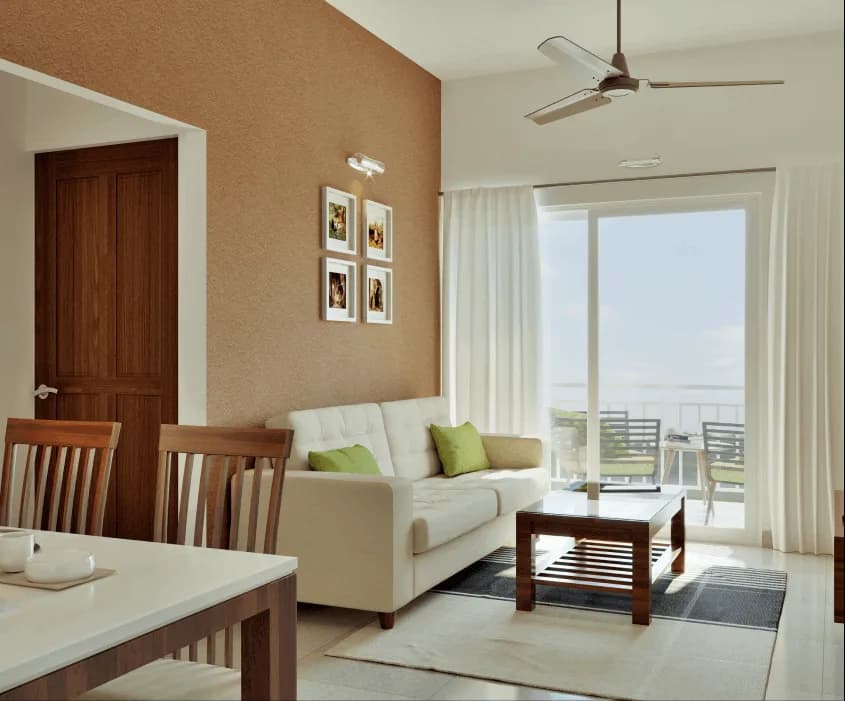
Senior living spaces are residential communities designed specifically for older adults, typically aged 60 and above. These spaces promote independent or assisted living with on-site support, recreational activities, medical care, and security.
Residents often live in private apartments and engage in a community-based lifestyle that fosters active ageing and autonomy.
What Are Old Age Homes?
Old age homes in India offer basic shelter, meals, and care for elderly individuals—mainly those without family or financial support. Run by NGOs or government bodies, they focus on safety and daily needs rather than lifestyle or medical enrichment.
Key Differences Between Senior Living Spaces and Old Age Homes
While both aim to support the elderly, senior living spaces and old age homes differ in quality, services, and resident experience. Here’s how they compare across key areas.
Facilities and Amenities
Senior living spaces offer private rooms or apartments, gardens, fitness centres, activity clubs, and in-house dining. Old age homes usually have shared rooms, basic furnishings, and limited recreational options. Healthcare access is more structured in senior communities.
Cost and Affordability
Senior living often involves an entry fee, monthly charges, and added service costs. Prices vary by location and luxury level. Old age homes are usually low-cost or free, supported by donations or government funding, with minimal personal expense.
Quality of Life and Independence
Residents in senior living spaces enjoy privacy, make daily choices, and live independently with optional support. Old age homes, while caring, provide limited autonomy. Shared spaces and fixed routines may restrict personal freedom and self-expression.
Staff-to-Resident Ratio and Medical Support
Senior communities maintain higher staff-to-resident ratios with trained caregivers and 24/7 medical support. Old age homes often rely on fewer staff, with limited training and periodic medical visits. Emergency care access is usually stronger in senior living spaces.
Factors to Consider When Choosing
Choosing between a senior living space and an old age home involves more than facilities—it’s about finding the right fit for health, lifestyle, family values, and future needs. Here’s what to keep in mind while making the decision.
Health and Mobility Requirements
Consider the individual’s mobility, chronic conditions, or recovery needs. Senior living spaces offer tailored support, accessible infrastructure, and on-site healthcare. Old age homes may provide only basic care, which may not be suitable for those with complex health conditions.
Social and Emotional Needs
Staying socially active supports mental health. Senior living spaces often host events, clubs, and shared activities. Old age homes may not offer structured engagement, which can increase loneliness and emotional distress—especially for seniors who value companionship.
Cultural and Family Expectations
Cultural fit matters. Some families prefer traditional, close-knit environments aligned with religious beliefs. Old age homes may reflect these values. Senior living spaces, while modern, may vary in spiritual offerings and require alignment with personal or family expectations.
Future Care Needs (Progressive Illnesses)
If the individual has conditions like dementia or Parkinson’s, plan ahead. Senior living communities often offer tiered care. Old age homes may lack the infrastructure for long-term medical support or increasing physical dependency as conditions progress.
Budget and Long-Term Financial Planning
Assess not just current costs, but long-term affordability. Senior living spaces require ongoing payments and sometimes entry fees. Old age homes may seem more affordable but could lack necessary services, leading to higher out-of-pocket expenses elsewhere over time.
Pros and Cons of Senior Living Spaces
Senior living spaces are designed for comfort and independence but may not be suitable for everyone. Here's a balanced view of their strengths and limitations.
Advantages of Senior Living Spaces
These communities offer privacy, active lifestyles, and access to holistic services like fitness, dining, and healthcare. They foster autonomy while providing support, making them ideal for seniors who value independence with the reassurance of assistance when needed.
Potential Limitations to Consider
Senior living can be costly, especially in premium facilities. Limited availability in smaller towns and the initial adjustment period may be challenging. It may not suit individuals preferring traditional living arrangements or those with very advanced care needs.
Pros and Cons of Old Age Homes
Old age homes have long served as a safety net for elderly individuals without family support. While they offer essential services, there are important considerations.
Advantages of Old Age Homes
They are more affordable and widely available, often supported by NGOs or government funding. These homes offer shelter, food, and basic care, especially for older adults without family or financial resources.
Drawbacks and Concerns
Many old age homes struggle with overcrowding, limited staff, and inadequate medical support. Residents may have little privacy or personal choice. Social stigma and a lack of emotional or cultural enrichment can also affect overall well-being and care.
Senior Living Trends in India
As India’s ageing population grows, eldercare preferences are shifting—driven by innovation, urbanisation, and post-pandemic realities.
Increasing Popularity of Retirement Communities
The COVID-19 pandemic and changing preferences among Indian elders have significantly driven up demand for senior living communities. About 60% of current supply lies in South India, though northern uptake is rising.
Government Support and Regulations
The Indian Ministry of Social and Justice & Empowerment actively supports senior citizens through various schemes like pensions (e.g., IGNOAPS, APY), free aids (RVY), healthcare (NPHCE), and elder-friendly infrastructure.
While policies exist, challenges remain in effective implementation and ensuring uniform access, particularly in rural areas.
Eco-Friendly and Wellness-Orientated Homes
Green, wellness-focused communities are emerging. Resort-like retirement villages with yoga spaces, natural biodiverse landscaping, and sustainable design are gaining attraction.
Many senior living providers integrate fitness, nature trails, and wellness programs inspired by eldercare needs recognised during COVID.
Spotlight on Luxury Old Age Homes in India
For readers exploring high-end elder care, India now offers upscale old age homes that blend comfort, hospitality, and premium services to cater to discerning needs.
What Makes an Old Age Home ‘Luxury’
Luxury old age homes feature concierge assistance, gourmet dining, elegant private suites with designer finishes, lush green landscaping, wellness zones, spa services, housekeeping, and 24/7 support, often rivalling boutique hotels.
Popular Cities Offering Luxury Old Age Homes
Luxury old age homes are most commonly found in metro and tier-1 cities like Bengaluru, Pune, Kochi, and across the NCR region. These cities offer better infrastructure, access to healthcare, and a growing demand for high-end senior care solutions.
Services Offered (Concierge, Spa, Clubs)
Premium homes provide concierge help with appointments and travel, gourmet multi-course meals, on-site spas, fitness studios, hobby clubs, swimming pools, entertainment zones, and transport for outings, enhancing daily engagement and ease.
Checklist for Evaluating Options
Whether considering a luxury old age home or retirement community, use this checklist to make informed choices:
What Is the Difference Between Old Age Homes and Retirement Homes?
Old age homes often focus on essential care and shared accommodations. Retirement homes (or senior living communities) offer independent, lifestyle-oriented residences with on-demand assistance and wellness programming.
Are Luxury Old Age Homes Affordable?
These homes cater primarily to the upper-middle and affluent demographics. Monthly costs typically range between ₹40,000 and ₹60,000, while one-time entry plans can vary from ₹50 lakh to ₹2 crore. Pricing depends on the city, amenities, and degree of personalisation chosen.
How Do I Find Reliable Retirement Homes Near Me?
Use verified aggregator sites and consult urban real estate platforms. Check accreditation, visit in person, talk to current residents, and seek recommendations from healthcare professionals or local social-service agencies.
What Services Do Senior Living Homes Provide?
Core services include housing (private suites or apartments), meals, housekeeping, transport, medical and emergency support, wellness/fitness programs, recreational activities, and optional care tiers like assisted living or memory care.
Senior Living Spaces at WeNest
Cadabams WeNest offers modern senior-living communities with private apartments, wellness spaces, hobby zones, and 24/7 medical and concierge support.
With care options ranging from independent to memory care, residents can choose rental or ownership plans, combining comfort, flexibility, and long-term peace of mind tailored to Indian seniors’ evolving needs.